

Anxiety is a complex emotional and physiological response to stress and perceived threats. It involves feelings of fear, unease, and worry, accompanied by physical and cognitive symptoms.
Different types of anxiety disorders exist, all of which can significantly impact a person's daily life. Causes of anxiety are varied and can include genetics, brain chemistry imbalances, trauma, and environmental factors.
Treatment options include therapy, medication, and self-help strategies. Managing anxiety requires a comprehensive approach that addresses the underlying causes and provides tools to cope with symptoms effectively. With appropriate support, anxiety can be effectively managed, leading to improved well-being.

GAD is characterized by excessive and persistent worry about various aspects of life, such as work, health, relationships, and everyday situations. People with GAD often struggle with controlling their worry and experience physical symptoms like restlessness, fatigue, muscle tension, and difficulty concentrating.
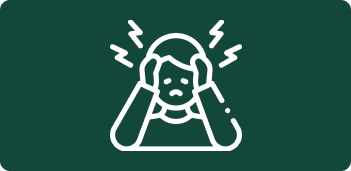
Panic disorder involves recurrent and unexpected panic attacks, which are intense episodes of fear or discomfort. Panic attacks can be accompanied by physical symptoms like a racing heart, shortness of breath, chest pain and trembling. Individuals with panic disorder may develop a fear of having future panic attacks, leading to avoidance behaviors.

Social anxiety disorder is characterized by an intense fear of social situations, particularly those involving scrutiny or judgment from others. People with social anxiety often experience anxiety about being embarrassed, humiliated, or judged negatively. They may avoid social interactions, leading to significant distress and interference with daily life.

Specific phobias are intense and irrational fears of specific objects, situations, or activities. Common phobias include fear of heights, animals, flying, or certain environments. When confronted with the phobic stimulus, individuals may experience intense anxiety . They often go to great lengths to avoid the feared object or situation.

OCD is characterized by recurrent, intrusive thoughts or obsessions that lead to the development of repetitive behaviors or mental rituals, known as compulsions. Individuals with OCD may engage in excessive cleaning, checking, counting, or arranging to alleviate their anxiety. OCD can significantly impact daily functioning and cause distress.
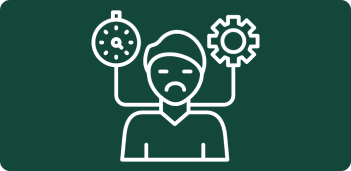
PTSD occurs following a traumatic event and involves symptoms such as intrusive memories, flashbacks, nightmares, and emotional distress related to the event. People with PTSD may also experience hypervigilance, avoidance of reminders of the trauma, and changes in mood and cognition. It can greatly affect a person's quality of life.
Self-treatment for anxiety empowers individuals, providing immediate relief and complementing professional help. It allows personalized strategies to manage anxiety anywhere, anytime. Take control of your well-being. While self-treatment is effective for milder, short-term anxiety, severe or long-term conditions may require clinical supervision.
Below are some exercises and actions to cope with anxiety, including techniques for milder, more focused, or shorter-term anxiety disorders.

Counselling and therapy are essential components of managing anxiety and improving mental health. At Anxiety Wellness, we understand the importance of professional support, which is why we offer counselling and therapy services to individuals seeking help.
Our team of experienced and compassionate therapists provides a safe and supportive environment for you to explore and address your anxiety-related concerns. Through evidence-based approaches such as cognitive-behavioral therapy (CBT), mindfulness techniques, and other therapeutic modalities, we work collaboratively with you to develop effective coping strategies, challenge negative thought patterns, and promote overall well-being.
Reach out to us to schedule a counselling or therapy session tailored to your unique needs and take the first step towards a calmer and happier life.
In some cases, medication can be an effective component of anxiety treatment. It is important to consult with a qualified healthcare professional who can assess your specific situation and determine if medication is appropriate for you.
Medications commonly prescribed for anxiety include selective serotonin reuptake inhibitors (SSRIs), serotonin-norepinephrine reuptake inhibitors (SNRIs), benzodiazepines, and beta-blockers. These medications work in different ways to help manage symptoms of anxiety and may be used for short-term relief or long-term management.
It is essential to follow your healthcare provider's instructions regarding medication usage, potential side effects, and any necessary precautions.